In Bellevue, exterior materials must look sharp and handle rain, wind, and shifting temperatures. This guide explains Fiber Cement Siding Benefits in Bellevue, from stronger weather resistance to lasting color and modern styles. You’ll also learn why many homeowners choose James Hardie, how durability affects resale value, and what maintenance and installation details matter most for long-term confidence at home.
They combine beauty and protection: a refined look that holds paint, strong resistance to moisture and pests, improved fire performance, and versatile profiles that mimic wood or shingles. With proper installation, this cladding can reduce upkeep, support energy efficiency by sealing gaps, and increase buyer appeal in Bellevue’s competitive market.
Enhancing curb appeal with fiber cement siding
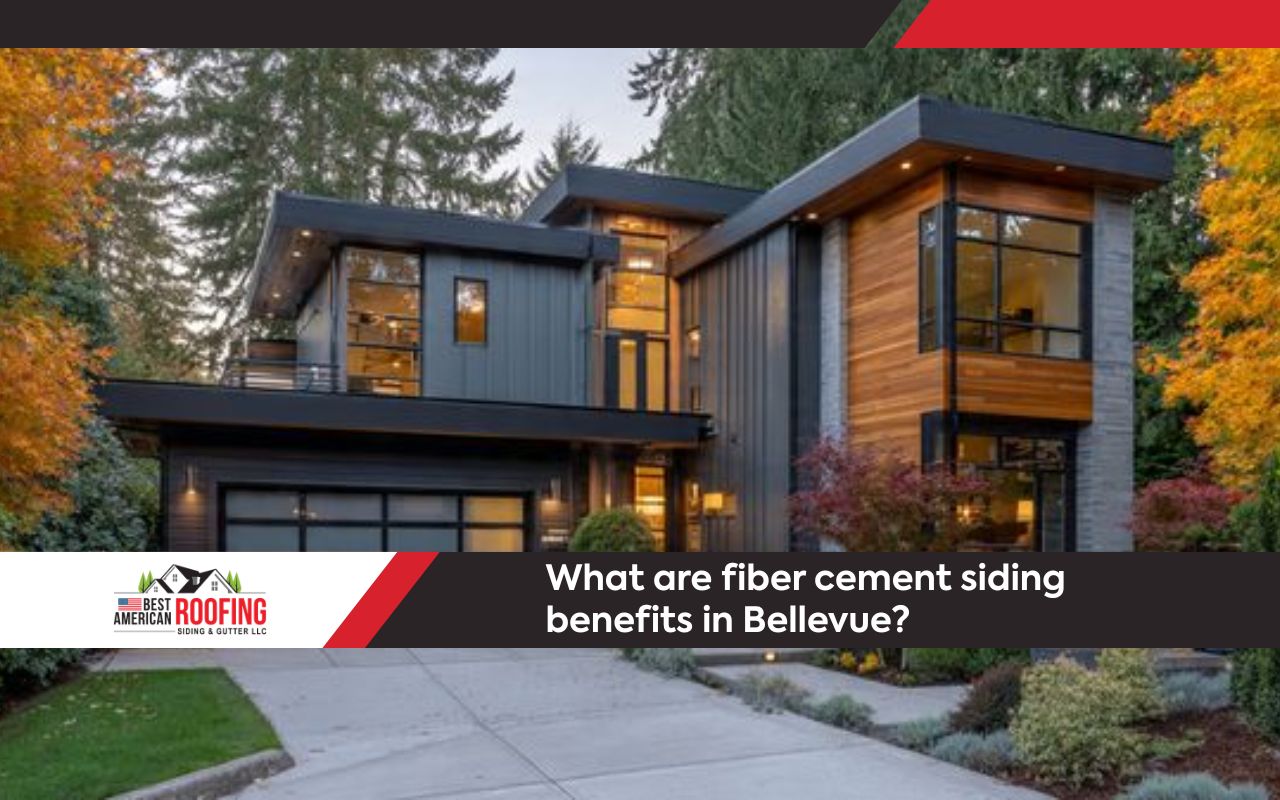
Fiber cement can deliver the crisp lines and clean finish many buyers notice first, without the constant upkeep typical of wood. It also offers multiple textures, so you can match craftsman, modern, and traditional Bellevue neighborhoods while keeping a consistent, premium-looking exterior.
- Pick a profile that fits the architecture: lap siding for classic lines, shingles for charm, panels for a modern face.
- Use intentional contrast: lighter body color with darker trim to emphasize windows and rooflines.
- Match the landscape: coordinate tones with stonework, walkways, and evergreen plantings.
- Add a focal area: a gable or entry accent in shingle or vertical pattern can elevate the façade.
- Prioritize detail work: neat corners, straight courses, and well-finished trim make the “new build” look.
Durability for the Pacific Northwest climate
Bellevue’s wet seasons and temperature swings can punish exterior materials. Fiber cement is valued for its stable composition and ability to handle moisture exposure without the same risks of warping or rot that can show up with wood-based cladding.
- Moisture resistance: helps reduce rot risk and moisture-related damage when properly flashed and sealed.
- Dimensional stability: less expansion and contraction helps joints stay tighter through seasonal changes.
- Wind performance: a solid, fastened system can stay secure during storms.
- Impact resistance: stands up better to bumps and debris than more flexible options.
- Paint adhesion: holds coatings well, helping color look cleaner for longer.
- Pest deterrence: less appealing to many wood-damaging insects.
Versatility in styles and textures
Designers often choose fiber cement because it can mimic wood grain, smooth contemporary finishes, and shingle textures while avoiding many of the drawbacks of organic materials. Boards come in multiple widths and patterns, so you can create a tailored look without sacrificing performance.
Design ideas that work well in Bellevue
Mixing profiles (for example, lap siding with shingle accents) can create depth and character, while a single-panel approach can deliver a clean, modern exterior. If you want color flexibility, look for factory-finished options or prime-and-paint products that support custom palettes.
Why homeowners consider James Hardie
Many Bellevue homeowners explore James Hardie because the brand is widely known for fiber cement products designed for long-term exterior performance. In addition to strong weather resistance, their systems are often chosen for consistent aesthetics, broad style options, and finish technologies intended to reduce repainting frequency.
If you’re comparing Fiber Cement Siding Benefits in Bellevue across brands, focus on what matters most for your home: warranty terms, finish performance, the installer’s experience, and how the product is rated for wet, windy environments.
Protection against pests and fire
Two common concerns for exterior materials are insect damage and ignition risk. Fiber cement can help reduce both—especially when paired with proper installation details like tight seams, correct clearances, and well-maintained caulk lines.
Termite resistance
Fiber cement isn’t a food source for termites, which can lower the chance of the kind of hidden damage that often leads to expensive repairs.
Fire performance
It generally performs better under heat than many plastic-based materials. While no siding replaces full wildfire-hardening steps, this choice can be part of a more resilient exterior strategy.
Financial and maintenance advantages
Beyond looks, many owners weigh total cost over time. Fiber cement can be a practical option for long-term budgeting because it’s known for durability and straightforward upkeep. When evaluating Fiber Cement Siding Benefits in Bellevue, think in terms of years of ownership—not just upfront costs.
- Buyer confidence: a newer, durable exterior can help your home show better during resale.
- Lower repair frequency: fewer issues like rot or warping can reduce surprise costs.
- Longer repainting cycles: paint often lasts longer than it does on many wood exteriors.
- Cleaner maintenance routine: periodic washing and visual inspections are usually sufficient.
- Warranty value: multi-year warranties can strengthen the overall investment decision.
Installation considerations in Bellevue
Fiber cement is heavier and typically requires specialized tools and dust control when cutting. For many homes, professional installation helps ensure correct flashing, ventilation, and water management—critical details in a rainy climate.
Practical checklist: verify local permit requirements, plan detailing around windows and doors, confirm how trim and soffits will be handled, and review the maintenance plan the installer recommends for your specific exposure (shade, trees, and driving rain).
Frequently Asked Questions
Should I get a professional inspection before replacing siding?
Yes—especially if you suspect moisture intrusion. An inspection can identify rot, flashing issues, or ventilation problems so your new siding system is built on a sound, dry structure.
How do I compare bids from siding contractors in Bellevue?
Compare scope, not just price. Ensure each bid includes tear-off (if needed), flashing, trim details, caulking plan, cleanup, warranty terms, and a realistic schedule for Bellevue weather windows.
Is James Hardie always the best option?
Not automatically. James Hardie is popular, but the best choice depends on your design goals, exposure conditions, warranty preferences, and installer experience with the specific product line you choose.
What maintenance should I plan for after installation?
Plan for light, consistent upkeep. Wash the exterior periodically, keep vegetation trimmed back, and check caulk lines and penetrations so water stays out of the wall assembly.
What’s the fastest way to improve curb appeal during a siding upgrade?
Choose a cohesive color plan and upgrade trim details. Matching body color, trim, and entry accents—plus clean corner work—often makes the biggest visual difference without adding complexity.
How to plan a fiber cement siding project in Bellevue
- Define your priorities: style goals, moisture resistance, fire performance, and long-term upkeep.
- Collect samples: compare textures and colors in outdoor light on different days.
- Confirm requirements: check permits, HOA guidelines, and any neighborhood design rules.
- Request multiple quotes: aim for at least three detailed bids with the same scope.
- Review water-management details: flashing plan, window/door transitions, and ventilation approach.
- Lock in warranty + care plan: document what’s covered and what maintenance protects coverage.
References
Fiber Cement Siding: What to Know About Cost, Maintenance, and More