
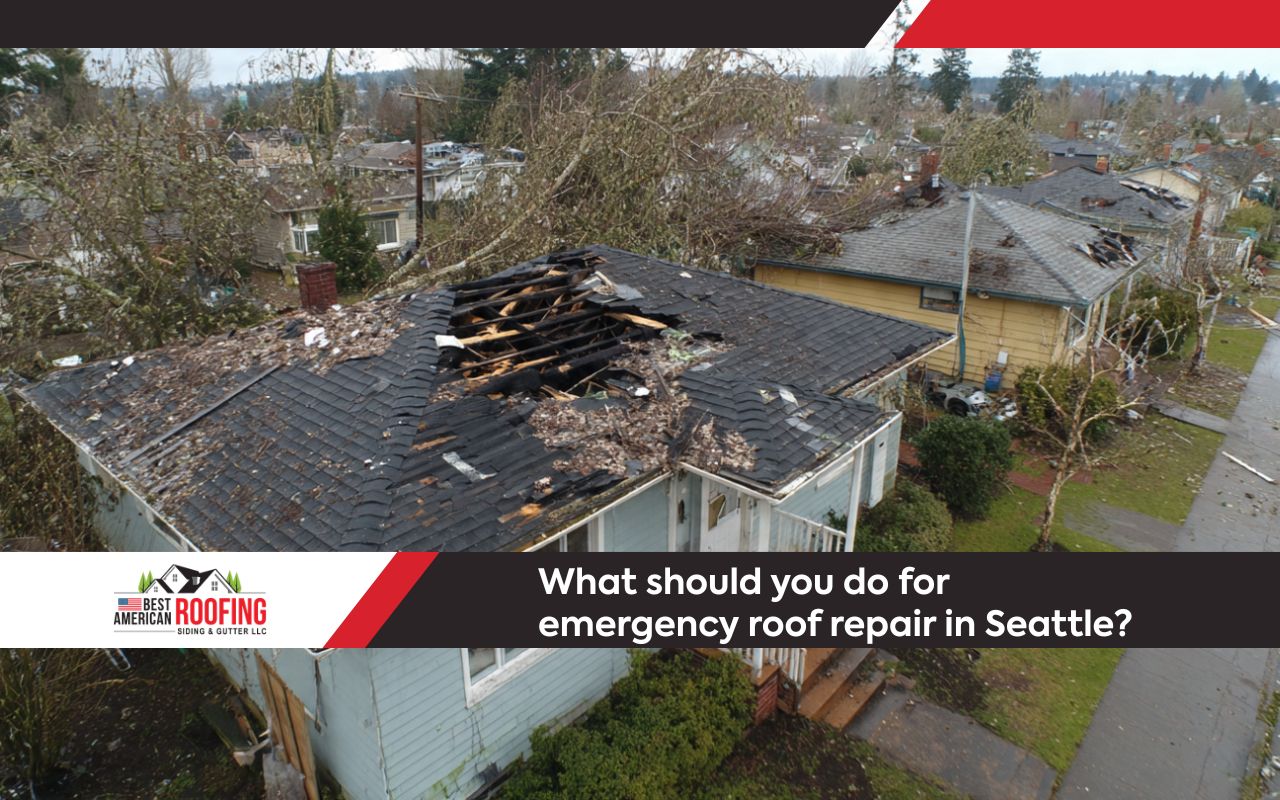
Seattle storms can turn a small roof issue into an emergency in minutes. If water is getting inside, every drop raises the risk of stained ceilings, mold, and damaged insulation. This guide explains what to check first, how to use temporary protection like tarping, and how to choose trusted local help so your home stays dry until repairs are completed.
Act fast and focus on safety. Move valuables away from leaks, catch dripping water, photograph the damage, and reduce interior moisture. If conditions are unsafe, stay off the roof and arrange Emergency Roof Repair in Seattle for a same-day inspection and temporary dry-in (often tarping) to stop water intrusion until permanent repairs can be completed.
Assess the Damage: Understand Severity First
Before any fix, identify where water is entering and how urgent the risk is. Start inside, then only inspect outside if it’s safe and daylight improves visibility.
- Check ceilings and attic: Look for water stains, dripping, damp insulation, or a musty smell that can signal trapped moisture.
- Look for “entry points”: Flashing around chimneys, vents, skylights, and valleys are common leak sources.
- Scan for storm damage: Missing shingles, lifted edges, punctures from branches, and displaced debris often worsen quickly in wind-driven rain.
- Document everything: Clear photos and notes help contractors plan leak repair and support insurance claims.
Temporary Solutions: Tarping and Quick Protection
When rain is active, the goal is simple: stop more water from getting in. Temporary protection buys you time and limits interior damage while you schedule professional service.
- Tarping: Use a heavy-duty tarp that extends past the damaged area and is secured firmly to resist wind gusts.
- Seal small gaps (short-term only): Roofing cement or self-adhesive patches can reduce dripping until a full repair is possible.
- Contain interior water: Buckets, towels, and plastic sheeting help prevent damage to floors and furniture.
- Reduce humidity: Fans and dehumidifiers help slow mold growth after a leak starts.
If you’re waiting on Emergency Roof Repair in Seattle, these steps can minimize damage—but treat them as temporary, not a finished solution.
Finding Reliable Help: Choosing Emergency Roof Repair in Seattle Services
During peak storm season, fast availability matters—but so does quality. Look for teams that can stabilize the roof first and then plan durable repairs.
- Verify licensing and insurance: Ask for proof of coverage before any work begins.
- Ask about emergency “dry-in”: Confirm they offer tarping and leak-stopping measures right away.
- Get a clear scope: A professional should explain what failed (shingles, flashing, underlayment) and why.
- Confirm warranties: Request written coverage for labor and materials for the final repair.
- Prioritize transparent communication: Fast updates and realistic timelines reduce stress in urgent situations.
Insurance Considerations: Claims and Coverage Basics
Many policies cover sudden storm damage, but not every leak qualifies—especially if it’s related to long-term wear or deferred maintenance. Keep your documentation organized: photos, dates, contractor notes, and receipts for emergency stabilization (including tarping). Contact your insurer promptly and ask whether they require specific documentation before permanent work begins.
Preventive Measures: Reduce Future Roofing Emergencies
Seattle weather rewards preparation. Strong underlayment, wind-rated shingles, and well-sealed flashing help your roof handle heavy rain and gusts. Keep gutters clear so water drains properly, trim overhanging branches to reduce impact risk, and schedule seasonal checks to catch small issues before they become major leak repair events.
DIY Tips: Safely Handling Minor Issues
Safety comes first. Avoid roof work in active storms, high winds, or on steep/slippery surfaces. For small, accessible issues in calm weather, a homeowner may be able to reseal minor flashing gaps or replace an isolated shingle—but anything involving structural damage, widespread storm damage, or multiple leak points should be handled by a professional.
How to Respond to a Roof Leak During a Storm
- Protect people first: Keep children and pets away from wet areas and avoid rooms where ceilings are bulging.
- Catch and redirect water: Place buckets under drips and use towels to prevent slipping hazards.
- Move valuables: Relocate electronics, rugs, and furniture away from active leaks.
- Document the problem: Take photos/videos of interior and visible exterior damage for your records.
- Lower moisture fast: Run fans/dehumidifiers if safe to do so and electricity is not exposed to water.
- Arrange urgent stabilization: Schedule Emergency Roof Repair in Seattle for tarping or a temporary dry-in as soon as conditions allow.
Frequently Asked Questions
How quickly can a roofer respond to an emergency in Seattle?
Response times vary by storm severity and demand, but many companies prioritize active leaks. Ask whether they can provide same-day stabilization (tarping or temporary dry-in) even if the full repair is scheduled later.
Is tarping enough to stop roof leaks?
Tarping is designed to be temporary. It can dramatically reduce water intrusion, but you still need a permanent repair to address the underlying failure (shingles, flashing, or underlayment).
What information should I have ready when I call?
Have your address, the roof type (if known), where you see water inside, and photos of the damage. This helps a contractor plan materials and prioritize the job, especially during widespread storm damage events.
Can emergency roof work be coordinated with insurance?
Often, yes. Save photos, notes, and receipts for any temporary protection or leak repair. Ask the contractor to document findings clearly so you can share accurate details with your insurer.
What’s the safest approach if I suspect structural damage?
Stay off the roof. If you see sagging, major punctures, large fallen branches, or widespread missing materials, limit access to the area and have a licensed professional assess the structure before any DIY attempts.
Peace of Mind Through Preparedness
Roof emergencies feel overwhelming, but a calm plan makes a big difference. By assessing the damage, using temporary protection like tarping, documenting everything, and choosing qualified help, you can limit water intrusion and protect your home. Preventive maintenance and seasonal inspections reduce repeat emergencies—and help your roof stay resilient through Seattle’s toughest weather.